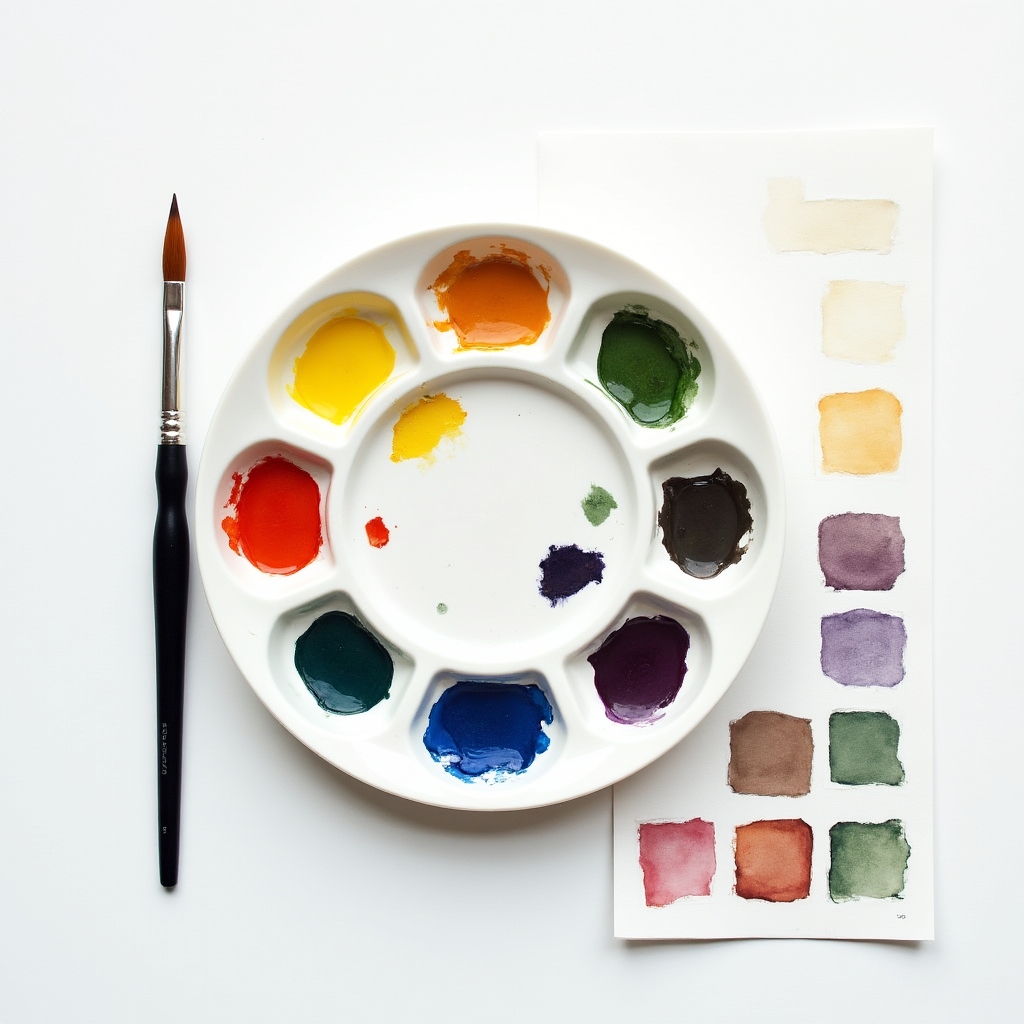
Color Mixing Fundamentals
Why does every beginner curriculum start with color? Because color is the primary language of watercolor painting, and misunderstanding it creates frustration before anything else. Module 1 focuses entirely on how pigments behave when mixed.
You will learn to work from a limited palette, understanding warm and cool pigment relationships, color temperature, and how to mix clean secondary colors without muddying your pigments. These skills carry through every subsequent module.
- Understanding warm vs. cool pigments
- Mixing clean secondaries and tertiaries
- Water-to-pigment ratios for washes
- Creating a personal color reference chart
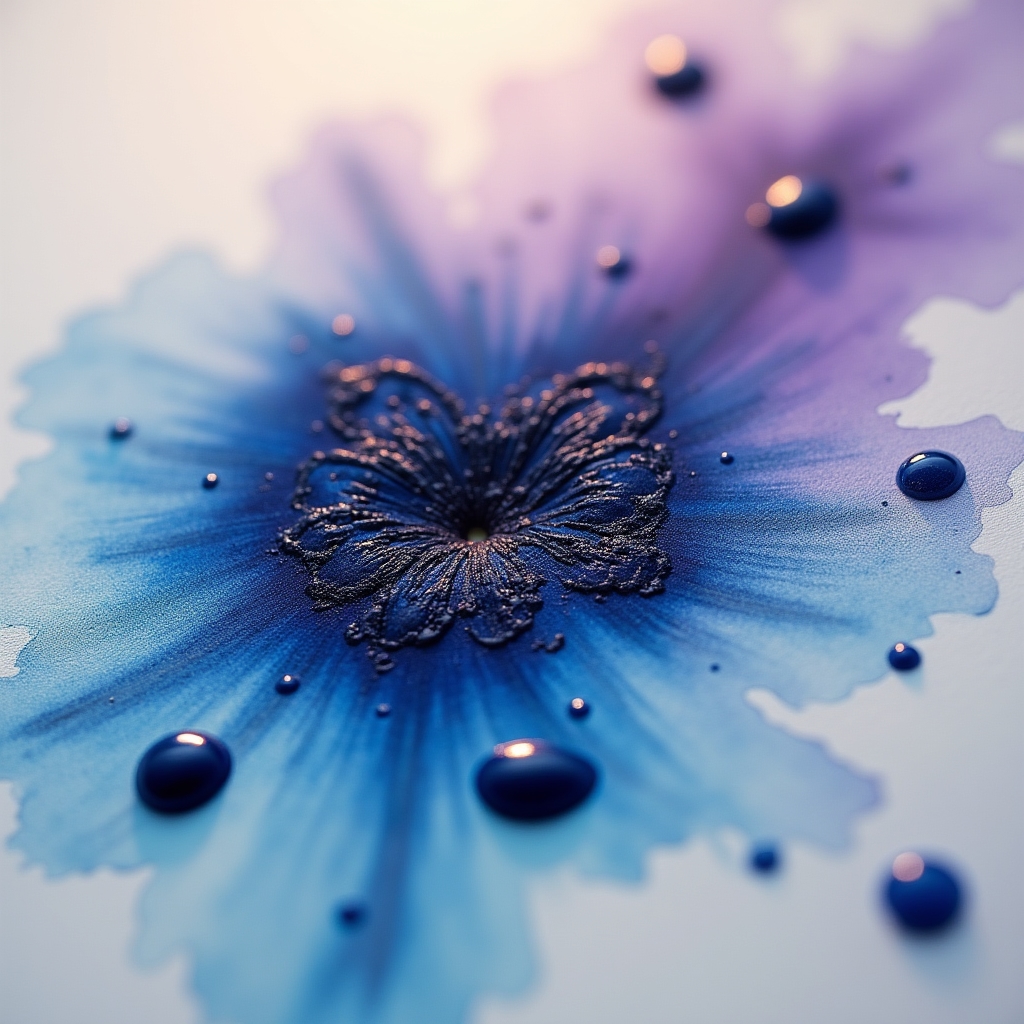
Wet-on-Wet Painting
How do you control something as fluid as wet paint on wet paper? The honest answer is that you learn to guide rather than control. Wet-on-wet is one of the most expressive watercolor techniques precisely because it involves relinquishing some control.
You will learn to prepare your paper surface, how much water creates useful blooms versus unmanageable puddles, and how to predict (approximately) where pigment will travel. Projects in this module focus on atmospheric backgrounds and soft botanical forms.
- Pre-wetting paper techniques
- Pigment load and bloom control
- Soft edge formation
- Working within a drying window
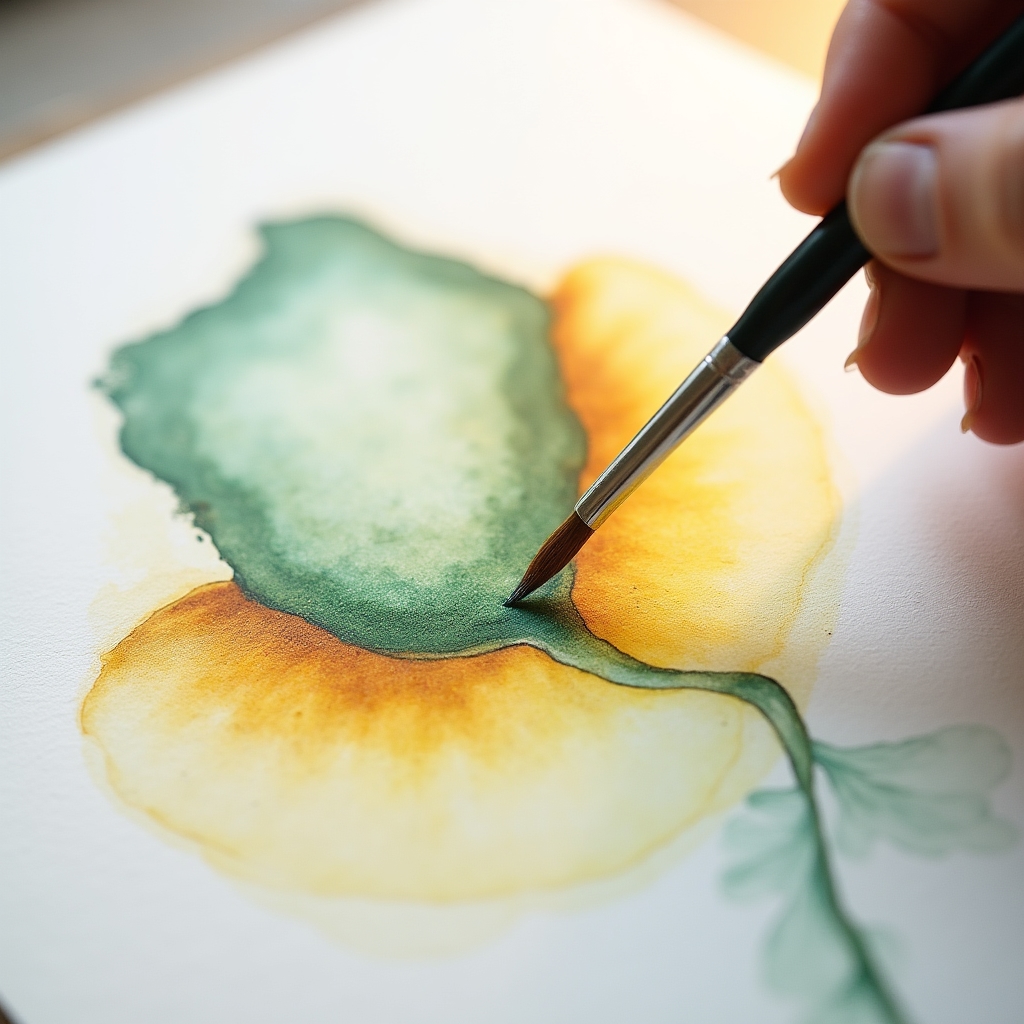
Layering and Glazing
What separates a flat watercolor wash from a painting with real depth and luminosity? Layering. When transparent color is applied over fully dry previous layers, light passes through all of them and reflects back, creating an optical richness that is impossible to achieve in a single application.
Glazing is the specific term for applying a transparent wash over a dried layer to shift its color or value. This module covers the patience and timing required to work in layers without lifting previous applications.
- Understanding dry time between layers
- Transparent vs. opaque pigments
- Building value through repeated glazes
- Correcting and adjusting dried work
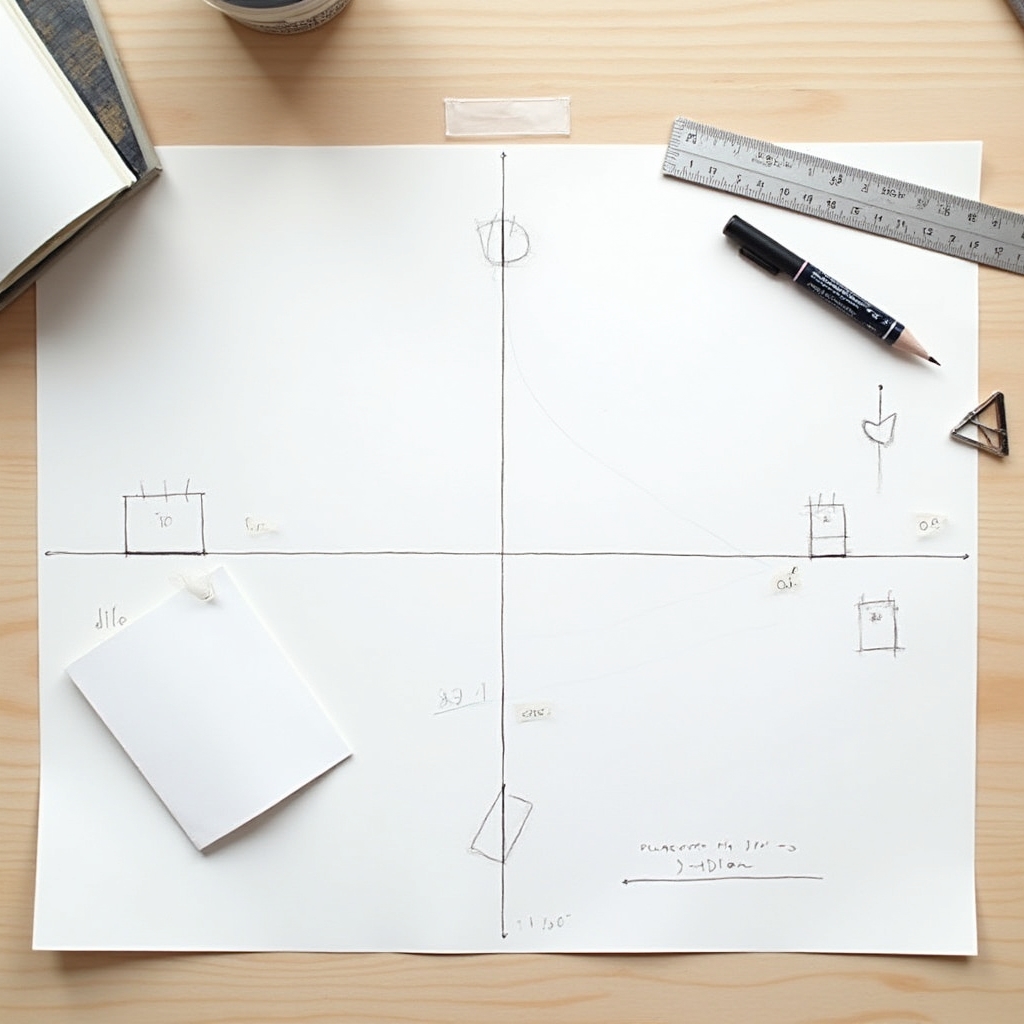
Composition Principles
Is composition something you feel intuitively or something you learn deliberately? Both things are true. This module makes composition principles explicit so that students can apply them consciously until they become intuitive.
Topics include the placement of a focal point, how the eye moves through a picture plane, the role of negative space, and how to use value contrast to create visual hierarchy. These apply to any subject matter, from landscape to still life to abstract work.
- Focal point placement strategies
- Negative space as active element
- Value contrast for visual hierarchy
- Thumbnail sketching before painting
Mixed Media Exploration
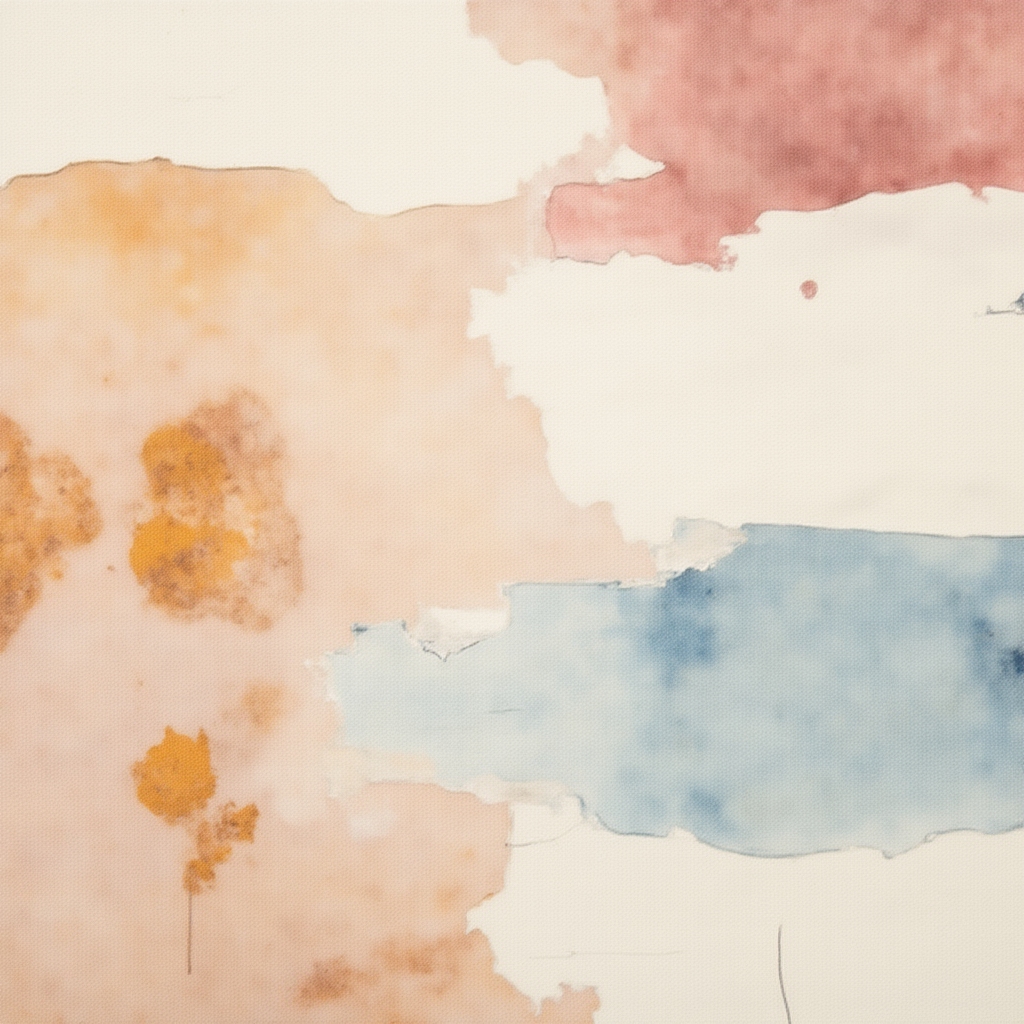
What happens when you combine watercolor with other materials? The surface becomes richer, more textured, and more personal. Mixed media work is where students often feel their creative voice emerge most strongly.
This module introduces ink drawing over watercolor, wax resist techniques, collage integration using torn paper, and simple stamped textures. Each technique is presented as a tool rather than a rule, and projects encourage combining them in unexpected ways.
- Ink and watercolor integration
- Wax resist and masking techniques
- Collage with torn and cut paper
- Texture and mark-making tools